
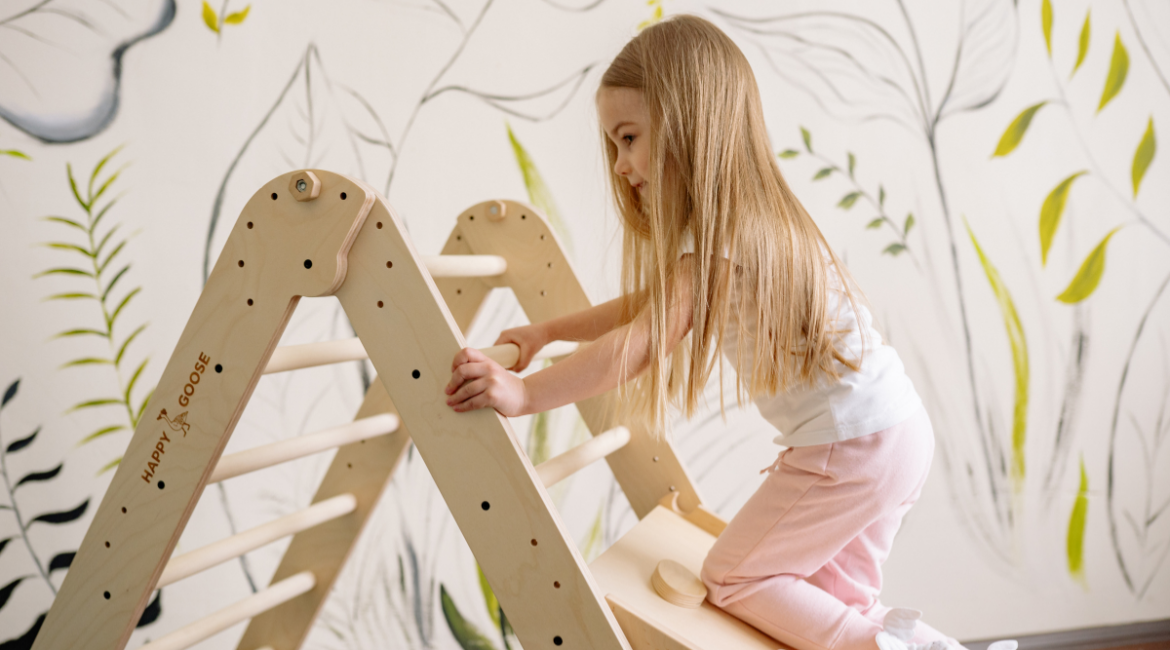
Teaching young children at home used to feel like a backup plan. Now, it’s increasingly becoming a deliberate choice.
Whether it’s flexibility, safety, or a desire for more personalized learning, many parents are exploring home-based nursery learning. The reality is that early childhood education can be effective without the confines of a formal classroom.
In fact, some of the most meaningful learning happens right at home during playtime, storytelling, or even snack breaks.
Let’s unpack how this approach works, why it’s beneficial, and how you can do it well.
What is Home-Based Nursery Learning?
Home-based nursery learning refers to structured and semi-structured early education conducted at home for children aged roughly 2–5 years.
It blends:
- Play-based learning
- Basic academic foundations (letters, numbers, shapes)
- Social and emotional development
Unlike traditional nursery schools, this approach allows parents to tailor learning based on their child’s pace and interests.
Benefits of Home-Based Nursery Learning
1. Personalized Attention
In a typical nursery classroom, one teacher manages multiple children. At home, your child gets undivided attention.
For example, if your child struggles with recognizing letters, you can spend extra time using flashcards or songs—without pressure.
2. Flexible Learning Schedule
Children don’t always learn best at fixed hours.
At home, you can:
- Teach when your child is most active
- Take breaks when needed
- Adjust routines based on mood and energy
This flexibility often leads to better retention and less frustration.
3. Comfortable Learning Environment
Children feel secure at home. That comfort can boost confidence and willingness to participate.
A shy child, for instance, may open up more during storytelling sessions at home than in a crowded classroom.
4. Stronger Parent-Child Bond
Learning together builds connection.
Simple activities like reading bedtime stories or doing crafts become moments of both education and emotional bonding.
Effective Methods for Home-Based Nursery Learning
1. Play-Based Learning
Children learn best through play—it’s not optional, it’s essential.
Try:
- Building blocks for motor skills
- Role-playing games for imagination
- Puzzle-solving for cognitive development
A child stacking blocks is not “just playing”—they’re learning balance, structure, and problem-solving.
2. Thematic Learning
Organize lessons around themes like:
- Animals
- Colors
- Seasons
For example, a “Farm Animals Week” can include:
- Animal sounds
- Picture books
- Drawing activities
This approach keeps learning cohesive and interesting.
3. Routine-Based Learning
Consistency matters.
A simple daily routine might include:
- 20 minutes of reading
- 15 minutes of writing/drawing
- 30 minutes of free play
Children thrive when they know what to expect.
4. Learning Through Daily Activities
Not everything needs to look like a “lesson.”
Real-life example:
- Counting fruits while grocery shopping
- Identifying colors during a walk
- Learning shapes while arranging toys
These moments are often more impactful than formal teaching.
Best Practices for Success
1. Keep Sessions Short and Engaging
Young children have limited attention spans.
Aim for:
- 10–20 minute focused activities
- Frequent breaks
If your child loses interest, it’s a signal—not a failure.
2. Create a Dedicated Learning Space
It doesn’t need to be elaborate.
A small corner with:
- Books
- Crayons
- Educational toys
This helps the child associate the space with learning.
3. Use Visual and Interactive Tools
Children respond better to visuals than lectures.
Incorporate:
- Flashcards
- Charts
- Educational videos (in moderation)
4. Encourage Curiosity, Not Perfection
If your child asks “why” repeatedly, that’s a good sign.
Don’t rush to correct mistakes immediately. Let them explore, think, and even get things wrong—it’s part of learning.
5. Balance Screen Time Carefully
Digital tools can help, but overuse can backfire.
Use screens for:
- Interactive learning apps
- Short educational videos
Avoid passive consumption for long periods.
Common Challenges (and How to Handle Them)
Lack of Structure
Solution: Follow a loose daily plan, not rigid schedules.
Child Losing Interest
Solution: Rotate activities frequently and follow their interests.
Parental Burnout
Solution: Keep expectations realistic. You’re not replicating a school—you’re creating a learning environment.
Conclusion
Home-based nursery learning isn’t about replacing schools—it’s about rethinking how young children learn best.
With the right balance of structure, creativity, and patience, you can create an environment where your child not only learns but genuinely enjoys the process.
Start small. Stay consistent. Adjust as you go.