
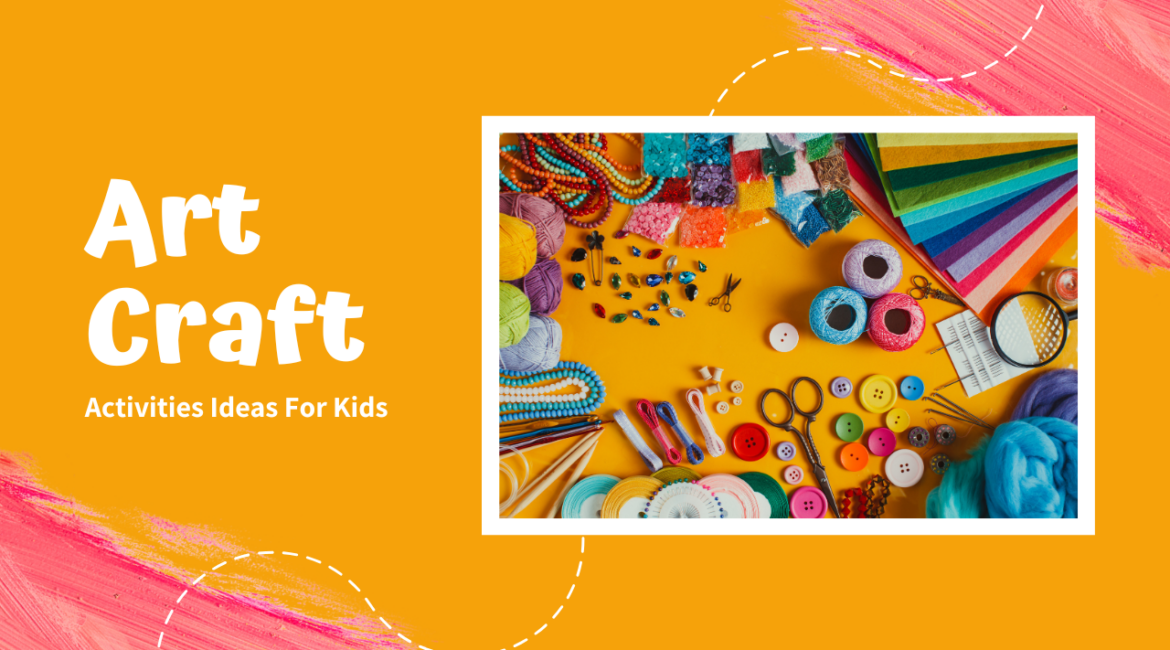
Let’s be honest some days at home with a toddler can feel like a gentle hurricane. You’re trying to keep them engaged, learning, and ideally not drawing on the walls. Sound familiar? Here’s the good news: you don’t need a fancy art studio or an expensive nursery setup. A few simple materials, a little imagination, and the right activities can do wonders for your child’s creativity, confidence, and brain development.
This guide is packed with practical, easy-to-do art and craft activities for preschoolers that you can set up right at home whether you’re running a home nursery, homeschooling, or just need to fill a rainy afternoon. No experience required.
Why Art & Craft Matters for Preschoolers
Before we dive into activities, let’s quickly talk about why this even matters. It’s not just about cute finger paintings to stick on the fridge (though that never gets old).
When a 3-year-old squishes clay, mixes colours, or tears paper into shapes, they’re actually developing fine motor skills, spatial reasoning, emotional expression, and early problem-solving. According to early childhood development research, creative play at this age directly supports cognitive growth and even prepares kids for literacy and maths later on.
Setting Up a Creative Space at Home
You don’t need a dedicated art room. A kitchen table covered with an old bedsheet, a plastic tray, or even a cardboard box on the floor will work perfectly. The key is making materials accessible and manageable.
Top Art & Craft Activities by Age
Every child develops differently, but here’s a rough guide to activities that match their growing abilities.
Ages 2-3: Finger & Hand Painting The ultimate sensory experience. Let them go loose with non-toxic paint on large paper. Focus is on feeling, not results.
Ages 2-3: Playdough Sculpting Rolling, squishing, and poking dough strengthens hand muscles essential for future writing. Add cookie cutters for extra fun.
Ages 3-4: Collage Making Old magazines, coloured paper, fabric scraps let them cut (with help) and glue freely. Great for decision-making and creativity.
Ages 3-4: Nature Printing Press leaves and flowers into paint, then stamp onto paper. Connects art with nature and gets them curious about the world outside.
Ages 4-5: Air-Dry Clay Creations Make little animals, food shapes, or imaginary creatures. Once dry, they can paint them — a two-session project they love.
Ages 4-5: Recycled Craft Builds Old boxes, toilet rolls, bottle caps challenge them to build a “robot” or “castle.” Engineering meets creativity.
Ages 5+: Watercolour Resist Art Draw with white crayon, paint over with watercolours, and watch the magic reveal. Builds anticipation and colour understanding.
Ages 5+: Simple Weaving Use a paper plate loom with yarn strips. Develops patience, pattern recognition, and fine motor control secretly educational.
Step-by-Step: A Favourite Home Activity — Nature Suncatchers
One of the most magical (and genuinely easy) projects you can do at home. Kids love it, it looks beautiful on a window, and you can do it in 20 minutes.
What you need: Contact paper (clear sticky film), a window frame or embroidery hoop, and bits from the garden petals, leaves, small sticks.
- Take your child on a mini “nature hunt” in the garden or a nearby park. Collect petals, small leaves, feathers, whatever catches their eye.
- Cut a piece of contact paper and tape it sticky-side-up to the table (or stick it to a window at child height).
- Let your child arrange their nature finds onto the sticky surface no rules, just creativity.
- Once happy with their design, press another piece of contact paper on top to seal it.
- Trim into a circle, heart, or any shape and hang it in a sunny window.
Making It Work in a Real Home Nursery Setting
Running a home nursery brings its own lovely chaos. You’ve got multiple little ones with different abilities, limited time, and probably a load of washing that needs doing. Here’s how to make craft time actually work:
Keep It Open-Ended
Resist the urge to give them a template to copy. Instead of “make a butterfly like this one,” say “let’s see what shapes and colours you want to use today.” The process matters way more than the product at this age. Their “mess” is their masterpiece.
Rotate Activities Weekly
Keep a simple weekly rhythm Monday painting, Wednesday collage, Friday sensory play. Familiarity with the routine reduces resistance and builds anticipation. After a few weeks, they’ll be asking for art time before you even suggest it.
Use a Sensory Tray for Toddlers
For the youngest children (under 2.5), a simple sensory tray with rice, dried pasta, or sand alongside a few scoops and containers is a brilliant “craft” activity. It develops the same tactile awareness and focus as more complex crafts and it’s completely self-contained.
Seasonal & Theme-Based Craft Ideas
Tying crafts to seasons or simple themes keeps things fresh and gives even tiny children a sense of the world around them changing.
Spring: Flower printing with cut vegetables (a halved pepper makes a perfect flower shape), seed collages, butterfly sponge painting.
Summer: Sun prints, rock painting for the garden, making wind socks from recycled paper bags.
Autumn: Leaf rubbings, acorn stamping, making a “gratitude tree” with painted hand-print leaves.
Winter: Salt painting (paint with glue, sprinkle salt for a crystal effect), snowflake cutting, paper chains for decorating.
What Parents Often Get Wrong (And That’s Totally Fine)
Honestly? Most parents overthink this. They worry the paint isn’t the right kind, or the activity isn’t “educational enough,” or their child isn’t making something that looks like what it’s supposed to be.
Here’s a gentle reminder: a 3-year-old who confidently says “that’s a dog” while pointing at what appears to be a purple blob is doing exactly what they should be. They’re telling a story. They’re making meaning. They’re being creative.
Your job is simply to provide the materials, the time, and the words “I love what you’ve made tell me about it.”
The children who grow up drawing, building, and making things develop resilience, confidence, and the ability to think differently. Those are skills that last a lifetime, and they start right there on your kitchen table, with a pot of paint and a willing pair of small hands.
So go ahead. Make the mess. It’s worth it.