
You’ve probably seen those gorgeous Montessori nursery setups on Pinterest. Low wooden shelves. Neutral linen. A tiny little reading nook with a canopy and natural light and absolutely zero plastic in sight.
And then you look at your actual living room the one with the bright orange IKEA table and the pile of mixed-up toys and wonder if Montessori is just… for people with more money and a better eye for interior design.
It’s not. I promise.
The Montessori philosophy isn’t about aesthetics. It was developed by Dr. Maria Montessori in the early 1900s for children in some of the most under-resourced communities imaginable. The core idea is simple: children are naturally motivated to learn, and the adult’s job is to prepare an environment that supports that drive not constantly direct it.
Here’s how to genuinely apply Montessori principles at home, regardless of what your house looks like.
Principle One: Give Them Access to Their Own World
One of the most transformative things you can do is lower things to your child’s level. Hooks for their own coat and bag. A small step stool by the sink so they can wash their hands independently. A low drawer with their cups and snack plates.
These aren’t just cute. They’re deeply important. When children can do things for themselves, without waiting for help, their sense of competence grows. Montessori called this “practical life” and it’s the backbone of the whole approach.
The message you send when you hand a two-year-old their own small pitcher to pour their water is: I believe you can do this. That message does more for their development than any flashcard ever could.
Principle Two: Fewer Things, Better Things
Montessori environments are intentionally uncluttered. Not because minimalism is trendy, but because too many options overwhelm young children. When every toy comes out at once, nothing gets played with deeply.
Try rotating toys. Pack two-thirds of them away. Every week or two, swap some out. Watch what happens — suddenly your child is spending thirty focused minutes with the same puzzle instead of bouncing between twelve things.
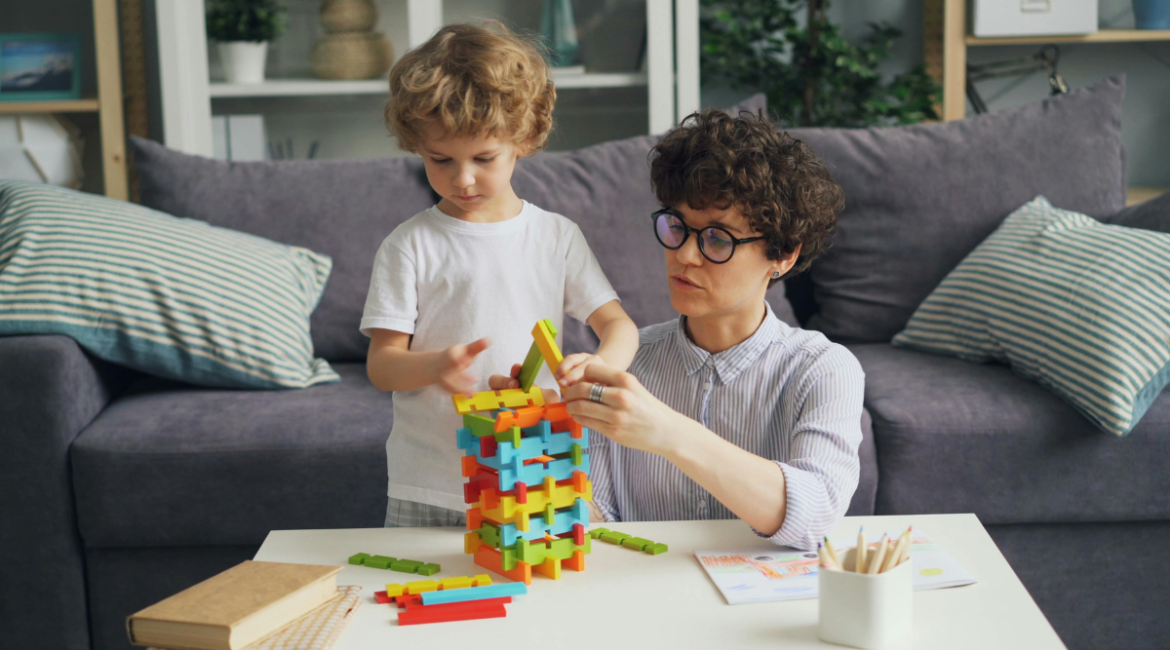
You don’t need Montessori-specific materials. A set of stacking cups, some small containers with different lids, a simple inset puzzle, some wooden blocks these open-ended materials support concentration and independent problem-solving in a way that battery-operated toys often don’t.
Principle Three: Slow Down and Let Them Try
This one’s hard. Genuinely hard, especially when you’re in a rush.
In Montessori practice, adults are taught to observe before intervening to watch a child struggle productively before jumping in to fix things. Because the struggle is actually the learning. When a child figures out how to button their own coat after seven attempts, something real happens in their brain and in their sense of self.
The next time your child is trying to do something and you feel the urge to do it for them pause. Count to ten. Give them the chance to get there. If they’re frustrated to the point of distress, offer gentle guidance: “Would you like me to show you one way to try?” rather than just taking over.
Principle Four: Real Tasks Are Real Learning
Children don’t want “pretend” work they want to contribute to real life. Sweeping. Watering plants. Washing vegetables. Folding small items of laundry.
Montessori classrooms include real tools scaled to children’s size for exactly this reason. At home, you can just involve them in what you’re already doing. Yes, it takes longer. Yes, there will be spills. But the concentration, coordination and pride that comes from doing real work is irreplaceable.
Principle Five: Follow the Child
This phrase appears constantly in Montessori literature. It simply means: pay attention to what your child is naturally drawn to, and support that interest rather than imposing your own agenda.
If they want to spend forty-five minutes lining up small stones, let them. If they ask to “help” sort the recycling, let them. If they want to look at the same picture book six times in a row, read it six times.
Following the child isn’t permissive parenting. It’s intelligent parenting it works with the child’s developmental window rather than against it.
You Don’t Need to Go All In
The beauty of Montessori at home is that you can dip a toe in without overhauling everything. Start with one low shelf with a few rotating activities. Add a hook at their height. Let them pour their own drink. Small changes in a home environment can make a significant difference in a child’s sense of independence and engagement. And honestly? It usually makes things easier for you too. A child who can get their own snack and entertain themselves for twenty minutes is a gift.
The goal isn’t a perfect Montessori setup. The goal is a child who feels capable, curious and confident in their own home.